

Lifestyle & Daily Life Readiness
Training readiness is about whether your pet has learned the skills needed to travel safely.
Good health and good setup are not enough if your pet does not understand what to do in new or changing environments.
This category focuses on the behaviour skills that help pets move safely and cope in vehicles, yachts, campsites, and unfamiliar places.
These skills also support safety during unexpected situations, where pets may need to be handled or controlled quickly.
This includes:
● toilet and hygiene behaviour
● movement and position skills
● settling and rest skills
● motion and noise tolerance
● handling and control acceptance
● safety boundaries and awareness
Training develops gradually. Skills should be reliable in calm conditions before adding movement, noise, or distraction.
Some training skills also support emergency situations where pets may need to be guided, restrained, or moved quickly.
Training & Behaviour Readiness
Training readiness is about whether your pet has learned the skills needed to travel safely.
Good health and good setup are not enough if your pet does not understand what to do in new or changing environments.
This category focuses on the behaviour skills that help pets move safely and cope in vehicles, yachts, campsites, and unfamiliar places.
These skills also support safety during unexpected situations, where pets may need to be handled or controlled quickly.
This includes:
● toilet and hygiene behaviour
● movement and position skills
● settling and rest skills
● motion and noise tolerance
● handling and control acceptance
● safety boundaries and awareness
Training develops gradually. Skills should be reliable in calm conditions before adding movement, noise, or distraction.
Some training skills also support emergency situations where pets may need to be guided, restrained, or moved quickly.
Training & behaviour readiness areas
First Aid Training
Do I have the skills to provide first aid for my pet in an emergency?
Prepare & learn the first-aid skills needed to respond to a pet emergency — wherever you are
First Aid Training readiness
Builds reliable toileting in travel environments.
🌍 All Travel Environments

What must be in place
✅
What can go wrong if not in place
⚠️
What new risks or pressures this may create
ℹ️️
Related systems to check
● tether points & attachment points ● barriers & separation between areas ● safe escape routes
Ready to work on this area?
Find guides, checklists, how-to guidance and pathway-specific advice.
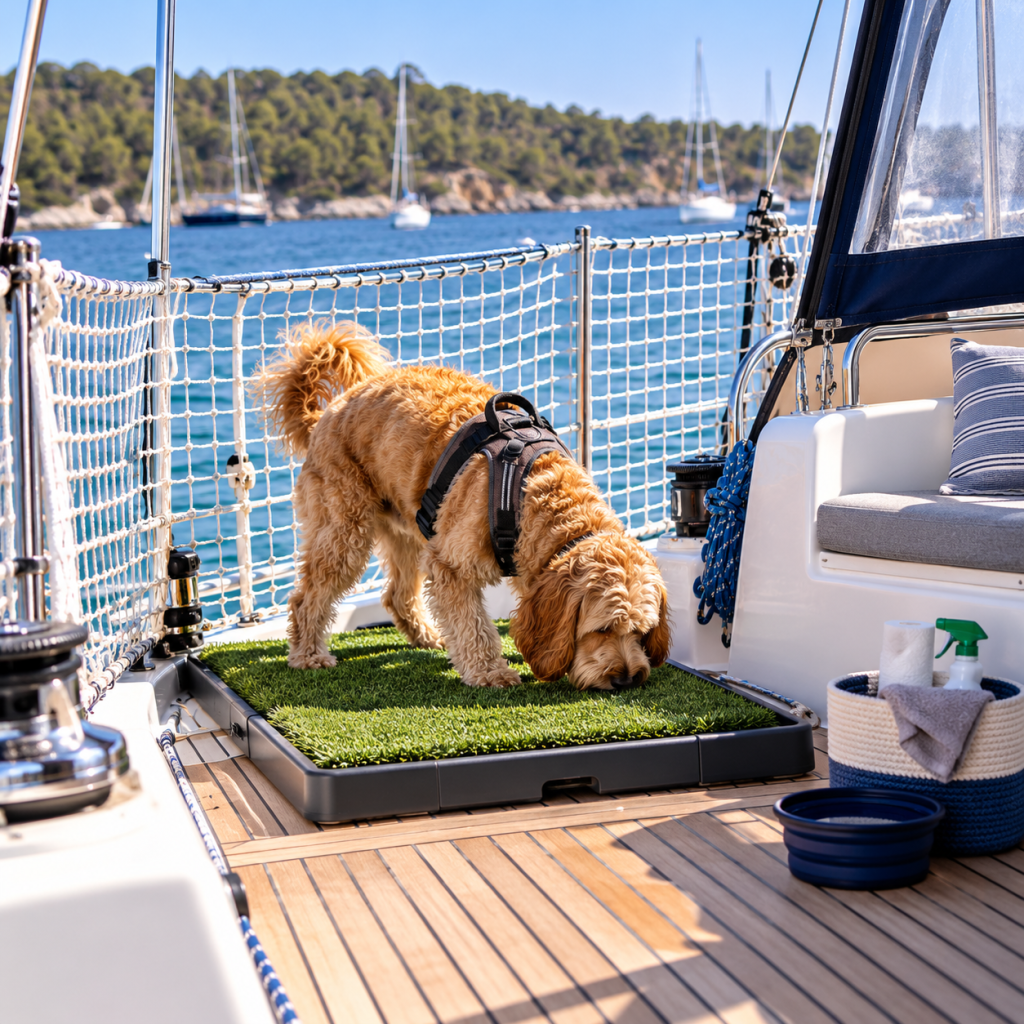
Toilet & hygiene training
Can my pet toilet reliably in the places and conditions we will travel in?
Teaching your pet where and when to toilet in travel environments.
Toilet & hygiene readiness
Builds reliable toileting in travel environments.
🌍 All Travel Environments
What must be in place
✅ A clear toileting cue or routine
✅ Acceptance of the travel toilet surface (grass, mat, turf, litter, ground area)
✅ Ability to toilet on lead where needed
✅ Ability to toilet in new locations
✅ Tolerance for small or slightly moving areas
✅ Predictable holding between opportunities
✅ No panic linked to noise or motion
✅ Routine that works in different places
✅ Toileting without
✅ Ability to toilet despite mild weather changes
What can go wrong if not in place
⚠️ Refusal to toilet causing stress or discomfort
⚠️ Accidents inside living areas
⚠️ Hygiene problems in confined spaces
⚠️ Stress from holding too long
⚠️ Disruption to travel plans
What new pressures training may create
ℹ️️ Routine becoming too rigid
ℹ️️ Surface preference becoming too narrow
ℹ️️ Temporary regression in new environments
Related systems to check
● tether points & attachment points ● barriers & separation between areas ● safe escape routes
Ready to work on this area?
Find guides, checklists, how-to guidance and pathway-specific advice.
Movement & position skills
Can my pet move safely and stay where they should during activity?
Helping your pet move safely and stay in the right places during activity.
Toilet & hygiene readiness
Builds reliable toileting in travel environments. What must be in place
🌍 All Travel Environments
What must be in place
✅
What can go wrong if not in place
⚠️
What new risks or pressures this may create
ℹ️️
Related systems to check
● tether points & attachment points ● barriers & separation between areas ● safe escape routes
Ready to work on this area?
Find guides, checklists, how-to guidance and pathway-specific advice.
Settling & rest skills
Can my pet relax and rest calmly when nothing is happening?
Teaching your pet to switch off and rest during downtime or travel.
card 4 - detail
Builds reliable toileting in travel environments. What must be in place
🌍 All Travel Environments
What must be in place
✅
What can go wrong if not in place
⚠️
What new risks or pressures this may create
ℹ️️
Related systems to check
● tether points & attachment points ● barriers & separation between areas ● safe escape routes
Ready to work on this area?
Find guides, checklists, how-to guidance and pathway-specific advice.
Motion & noise tolerance
Can my pet cope with vibration, motion, and unfamiliar sounds?
Helping your pet stay calm with vibration, movement, and unfamiliar sounds.
card 5 - detail
Builds reliable toileting in travel environments. What must be in place
🌍 All Travel Environments
What must be in place
✅
What can go wrong if not in place
⚠️
What new risks or pressures this may create
ℹ️️
Related systems to check
● tether points & attachment points ● barriers & separation between areas ● safe escape routes
Ready to work on this area?
Find guides, checklists, how-to guidance and pathway-specific advice.
Safety boundaries & awareness
Does my pet avoid hazards and wait when it matters?
Teaching your pet to respect edges, doors, traffic zones, and other hazards.
card 6 - detail
Builds reliable toileting in travel environments. What must be in place
🌍 All Travel Environments
What must be in place
✅
What can go wrong if not in place
⚠️
What new risks or pressures this may create
ℹ️️
Related systems to check
● tether points & attachment points ● barriers & separation between areas ● safe escape routes
Ready to work on this area?
Find guides, checklists, how-to guidance and pathway-specific advice.
Handling, restraint & emergency control
Does my pet to accept lifting, restraint, and close handling.
Preparing your pet to accept lifting, restraint, and close handling.
card 7 - detail
Builds reliable toileting in travel environments. What must be in place
🌍 All Travel Environments
What must be in place
✅
What can go wrong if not in place
⚠️
What new risks or pressures this may create
ℹ️️
Related systems to check
● tether points & attachment points ● barriers & separation between areas ● safe escape routes
Ready to work on this area?
Find guides, checklists, how-to guidance and pathway-specific advice.
🏞
Continue your readiness
Start with the areas that matter most to your pet & your journey, then review and build on them as circumstances change.
Lifestyle & Daily Life Readiness
Lifestyle readiness is about whether you can meet your pet’s needs every day while travelling or living aboard.
Even with good training and setup, problems appear over time if food, water, hygiene, exercise, and routine are not sustainable.
This category focuses on the daily systems that keep pets stable and healthy when access to shops, vets, or normal routines is limited.
This includes:
● feeding and hydration that still work when conditions change
● toilet, hygiene, and cleanliness in confined or remote spaces
● exercise and body condition when movement is restricted
● health monitoring and realistic access to veterinary care
● managing heat, cold, rain, and comfort day-to-day
● routine stability over longer trips
Lifestyle & daily life readiness introduction
Lifestyle readiness is organised around the daily needs that must remain reliable during travel.
These are the systems that often fail first when space is tight, supplies run low, or routines change.
Each area helps you confirm daily life is sustainable for weeks or months — not just a short trip.
Within each area you will find:
● what must be in place
● what can go wrong if not in place
● what new pressures this may create
This helps you build a daily system that is simple, realistic, and reliable.
Feeding & hydration management
Will food and water remain reliable wherever we are?
Keeping food and water consistent, safe, and reliable in changing conditions.
Toilet, hygiene & cleanliness
Can I maintain hygiene and toileting routines in all conditions?
Managing waste, odour, and cleanliness without damaging living space or routine.
Exercise & physical condition
Will my pet stay physically healthy when movement is limited?
Maintaining strength, mobility, and condition when space or access is restricted.
Health monitoring & veterinary access
Will I notice problems early and reach care if needed?
Monitoring health daily and understanding what care is realistically accessible.
Environment & climate management
Can I keep my pet comfortable and safe in changing weather?
Managing heat, cold, rain, wind, and surface conditions during daily life.
Routine stability & mental wellbeing
Will daily life stay predictable enough for my pet to cope?
Keeping routines steady so behaviour and stress remain stable over time.
Post-incident reset & recovery
Can we safely stabilise and reset after a stressful even
Helping your pet recover properly after injury, shock, or disruption before returning to normal travel.
Lifestyle & daily life readiness modules
Lifestyle readiness is organised around the daily systems that keep pets well during travel.
These modules focus on everyday care and stability — not training, not emergency response, and not physical installation — so you can confirm your routine is sustainable before you depend on it in remote or demanding conditions.
Each module explains:
● what must be in place
● what can go wrong if not in place
● what new pressures this may create
Feeding & hydration management
Keeps food and water reliable when routines, storage, and conditions change.
What must be in place
● a feeding routine that still works on long days or delays
● a clear daily food amount so shortages are seen early
● food stored dry, sealed, pest-proof, and heat-protected
● a backup food your pet tolerates
● reliable water access in all conditions
● a way to offer water while travelling
● safe water refill plan where remote
● awareness of water quality risks
● bowls that do not slide or tip easily
● protection from contamination (dust, salt, fuel, sand)
● extra days of food and water suited to remoteness
● a simple rehydration option agreed with your vet
What can go wrong if not in place
● dehydration
● stomach upset from sudden food change
● running out of food
● spoiled food from heat or pests
● chaotic feeding under stress
What new pressures this may create
● extra storage space needed
● added weight
● sealed storage takes planning
● switching foods increases digestive risk
Toilet, hygiene & cleanliness
Keeps toileting and living areas clean in confined or remote spaces.
What must be in place
● a toileting routine that works in poor weather or limited access
● a toilet method suited to your travel type
● a safe toilet area away from hazards
● sealed waste storage
● realistic and legal disposal plan
● low-water cleaning supplies
● way to dry and reset wet areas
● paw cleaning routine after salt, mud, or chemicals
● drying routine for wet coats and skin
● parasite checks in wildlife-heavy areas
● spare clean bedding available
● plan for nights, heavy weather, or long drives
What can go wrong if not in place
● accidents in sleeping areas
● skin irritation or infection
● strong odours in small spaces
● distress from inability to toilet
● conflict with marinas or campsites
What new pressures this may create
● toilet systems take space
● waste storage needs regular disposal
● cleaning increases water use
● harsh cleaners may irritate pets
Exercise & physical condition
Keeps muscles and joints healthy when movement is limited.
What must be in place
● realistic daily movement plan
● options for restricted days
● safe control tools where needed
● plan for hot or unsafe ground
● support for older or injury-prone pets
● mental stimulation when movement is limited
● plan for no-walk periods
● balance between quiet days and active days
● gradual increase after low-activity periods
● rest days during extreme conditions
● monitoring for early strain signs
What can go wrong if not in place
● stiffness and loss of fitness
● frustration behaviour
● weight gain
● injury after sudden activity
● worsening joint problems
What new pressures this may create
● reduced spontaneity
● repetitive routines
● leads or long lines may snag
● exercise in poor conditions increases risk
Health monitoring & veterinary access
Keeps health stable by spotting problems early and knowing what care is realistic.
What must be in place
● clear understanding of your pet’s normal behaviour
● simple daily check habit
● way to record changes
● knowledge of nearest realistic veterinary options
● plan for remote areas
● method to contact veterinary advice if needed
● medication stored safely
● copies of prescriptions
● parasite prevention suited to region
● awareness of local disease risks
● refill planning for ongoing medication
● clear decision point for seeking help
What can go wrong if not in place
● small problems become serious
● running out of medication
● travelling further into isolation while unwell
● preventable parasite issues
● delays reaching correct care
What new pressures this may create
● extra admin
● carrying additional medication
● limited or costly remote options
● over-monitoring increasing anxiety
Environment & climate management
Keeps daily comfort stable in heat, cold, wind, rain, and damp conditions.
What must be in place
● daily heat plan (shade, airflow, timing of activity)
● daily cold or wet plan (dry bedding, wind protection)
● understanding of dangerous surfaces (hot decks, sand, salt, ice, sharp ground)
● safe rest zones that stay comfortable
● insect and parasite protection where needed
● wildlife risk awareness
● storm and rain routine
● damp and condensation control
● sun and UV awareness for thin coats or light skin
● plan for smoke, dust, or poor air
● travel timing adjusted to climate realities
● ability to change plans when conditions exceed tolerance
What can go wrong if not in place
● overheating
● cold stress
● paw burns or cuts
● damp-related skin problems
● poor sleep leading to stress
What new pressures this may create
● climate gear takes space
● sealing against rain reduces airflow
● insect protection must be chosen carefully
● avoiding heat windows reduces flexibility
Routine stability & mental wellbeing
Keeps behaviour stable by maintaining predictable daily rhythms.
What must be in place
● consistent feeding and rest times where possible
● predictable toilet routine
● regular calm periods
● safe personal resting space
● balance between stimulation and quiet time
● simple enrichment options during restricted days
● gradual change when routines shift
● quiet recovery time after busy days
● avoidance of constant overstimulation
● awareness of early stress signals
What can go wrong if not in place
● anxiety or pacing
● destructive behaviour
● sleep disruption
● conflict in small spaces
● stress build-up over time
What new pressures this may create
● routine reduces spontaneity
● enrichment supplies need storage
● too much stimulation increases stress
● strict routine may reduce flexibility
Post-incident reset & recovery
Confirms you can stabilise and reset after a stressful event or injury.
What must be in place
● rest period planned after major stress (fall, scare, illness)
● monitoring for delayed injury signs
● temporary adjustment of exercise and workload
● short-term routine stabilisation
● reassessment of equipment involved in incident
● awareness of behaviour regression signs
● gradual return to normal activity
● ability to change plans if recovery is slower than expected
● calm handling after stressful events
● follow-up veterinary check where appropriate
What can go wrong if not in place
● hidden injuries worsening
● behaviour deterioration
● repeat incidents
● overloading pet too quickly
● travelling on before stability returns
What new pressures this may create
● travel delays
● change of route or schedule
● added rest days
● reassessment of readiness assumptions
